Modern cars rely on electronic control units, sensors and connected systems to manage the engine, transmission, emissions, braking and many other functions. When one of these systems detects an unusual condition, it may record a diagnostic trouble code and activate a warning light.
Vehicle scanning allows a technician or vehicle owner to retrieve some of this stored information. However, a scan should not be confused with a final diagnosis.
The phrase auto current scannerV is likely intended to describe an auto current scanner or vehicle diagnostic scanner. In practice, the terminology matters because an OBD scan tool and an electrical current-measuring tool perform different jobs.
An OBD scan tool communicates with vehicle control modules. A multimeter or current clamp measures electrical values such as voltage or current flow. A complete diagnosis may involve both types of equipment, along with inspection, testing and manufacturer repair information.
Understanding this difference can help drivers avoid unnecessary parts replacement and make better decisions about Car Maintenance and repair work.
How a diagnostic scanner communicates with the car
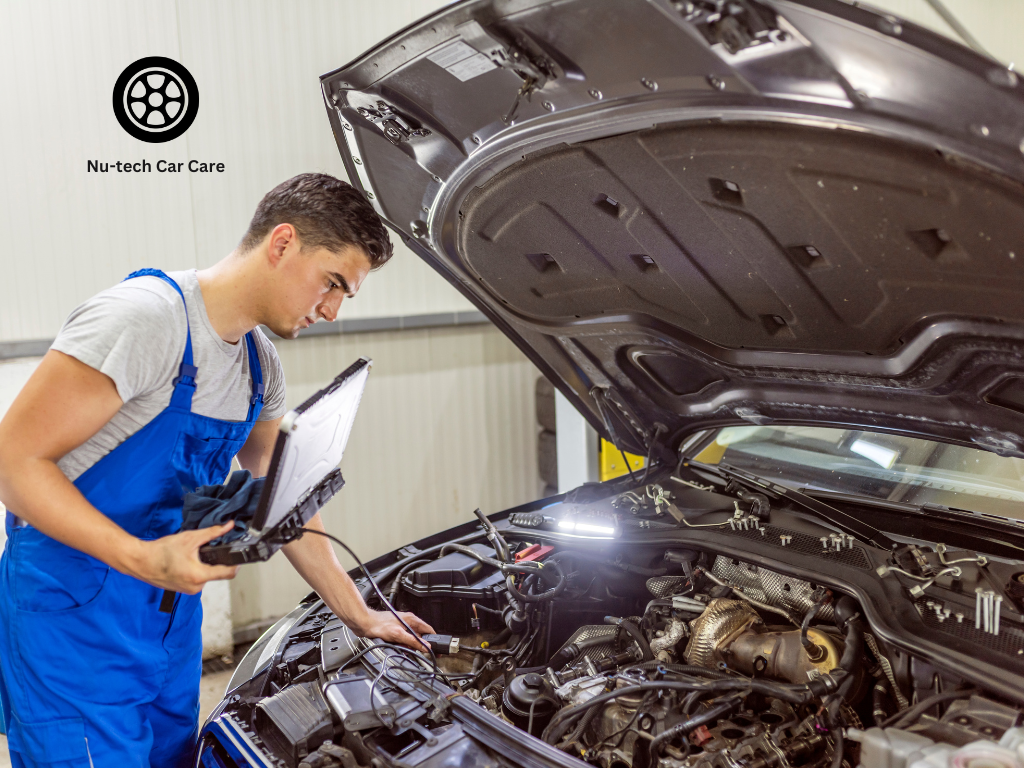
A vehicle diagnostic scanner connects to the car’s diagnostic port and communicates with supported electronic control units.
Depending on the vehicle and the scanner, it may retrieve diagnostic trouble codes, display live sensor readings, check system status or perform certain service functions. Professional diagnostic platforms may also access wiring information, maintenance procedures and manufacturer-specific systems.
A basic scan may reveal that the engine computer has detected an unusual oxygen-sensor signal, misfire, airflow reading or electrical condition. It may also show whether the issue is currently present or was recorded during an earlier event.
This information provides direction. It tells the technician which system deserves further attention.
It does not necessarily explain why the condition occurred. A sensor-related code, for example, might be caused by the sensor itself, damaged wiring, a poor connection, an air leak or another problem affecting the reading.
Modern car tech makes fault information easier to retrieve, but accurate interpretation still requires knowledge of how the system operates.
Why current testing is a different electrical procedure
The term auto current scanner is sometimes used loosely, but scanning computer codes and measuring current are different tasks.
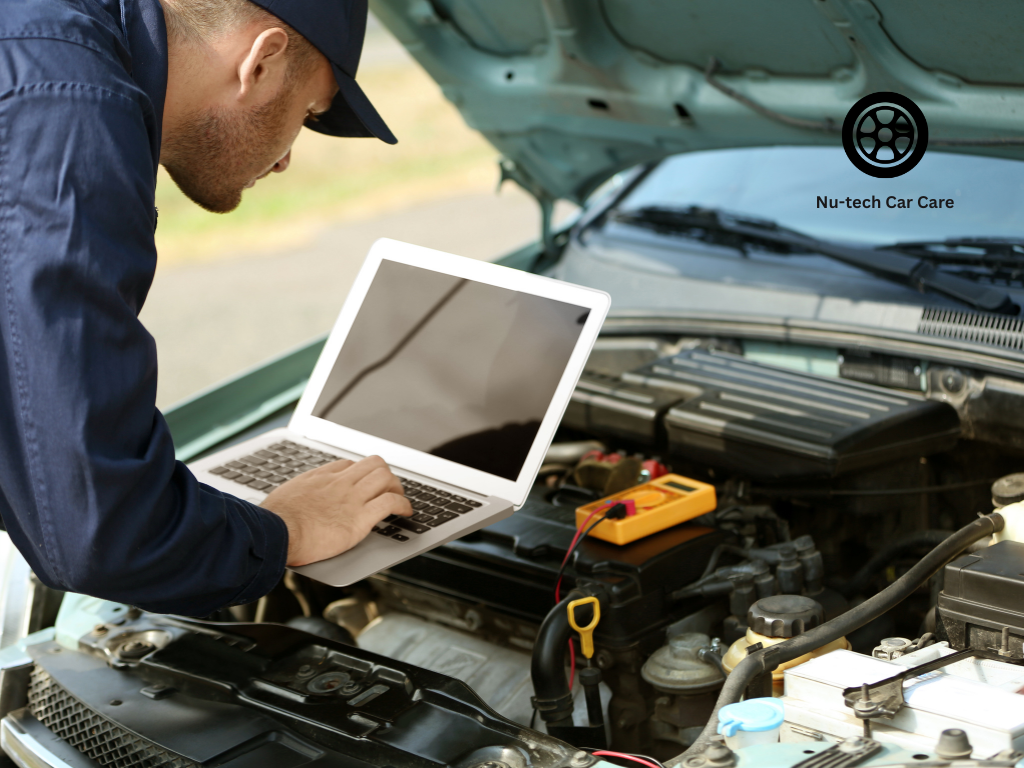
An OBD scanner retrieves information stored or transmitted by the car’s control units. To investigate an electrical drain, charging concern or circuit problem, a technician may instead use a digital multimeter, battery tester, oscilloscope or current clamp.
Australian automotive training standards identify current-flow checks, resistance measurements and voltage-drop testing as part of electrical diagnosis. They also require technicians to use suitable tools and follow a diagnostic process rather than relying on one reading.
For example, a car that repeatedly develops a flat battery may require a parasitic-current test after its electronic modules have entered sleep mode. This type of test measures the electricity continuing to leave the battery while the vehicle is switched off.
A computer scan may still provide useful supporting information, particularly when a module is remaining active or recording communication faults. However, an OBD scanner alone does not measure every electrical current in the vehicle.
Know What a Fault Code Can and Cannot Prove
A diagnostic trouble code is a structured clue recorded when a control unit detects a reading or condition outside its expected range.
The code may relate to an engine, transmission, emissions, braking, body-control or communication system. Generic powertrain codes can often be read by basic OBD equipment, while other systems may require a scanner with broader manufacturer-specific coverage.
A code should be recorded together with its full description. Where available, the technician may also review freeze-frame information showing selected operating conditions at the time the fault was detected.
This can help answer practical questions. Was the engine cold or warm? Was the fault recorded under load? Was the battery voltage unusually low? Was the issue present only once or across several drive cycles?
These details can narrow the investigation, but they still need to be compared with the driver’s symptoms and the manufacturer’s diagnostic information.
Australian competency standards for automotive diagnosis require the technician to confirm that a fault exists, select a suitable diagnostic procedure and report conclusions. Simply retrieving a code does not complete that process.
Why a code does not automatically identify a failed part
A fault code usually identifies the circuit, system or operating condition where a problem was detected. It does not automatically prove which component has failed.
Suppose a scan reports that an oxygen-sensor signal is too lean. Replacing the sensor immediately may not solve the problem. The cause could involve an intake leak, fuel-delivery issue, exhaust leak, wiring problem or inaccurate reading from another sensor.
The technician may need to inspect connectors, review live data, test voltage, check mechanical conditions or compare readings with manufacturer specifications.
The same caution applies to misfire codes. A misfire could involve ignition, fuel delivery, compression, wiring or control issues. The code identifies the affected cylinder or pattern, but further testing determines the cause.
This is why buying a replacement part based only on a phone app or generic code description can become expensive. The replacement may not address the actual fault, and the original problem may continue.
A useful diagnostic report should explain what the scan found, what further testing was performed and how the recommended repair connects to the evidence.
Recognise When a Vehicle Scan May Be Useful
Respond to warning lights and performance changes
Vehicle scanning is commonly requested when a warning light appears or the car begins behaving differently.
Relevant symptoms may include difficult starting, rough idling, hesitation, reduced power, stalling or unexpected fuel consumption. Warning lights associated with the engine, battery, airbag, anti-lock braking or stability systems may also require investigation.
The correct response depends on the warning and the vehicle’s behaviour. A steadily illuminated engine light may have a different level of urgency from a flashing light, severe loss of power, overheating or an oil-pressure warning.
When the car appears unsafe, is overheating or displays a serious red warning, the driver should stop in a safe location and follow the vehicle manufacturer’s instructions. A scan should not be used as permission to continue driving when there are signs of an urgent mechanical or safety problem.
Nu-Tech Car Care’s vehicle-scanning service is presented for circumstances such as an engine warning light and includes retrieving fault codes on supported vehicles. Exact coverage and service inclusions should be confirmed for the particular make and model.
Investigate intermittent or difficult-to-repeat symptoms
Some problems occur only under particular conditions.
The engine may hesitate during cold starts but behave normally after warming up. A warning light may appear during motorway driving and disappear before the car reaches the workshop. An electrical problem may occur after rain, on hot days or after the vehicle has remained parked overnight.
Diagnostic records can help a technician investigate these intermittent concerns, but a clear symptom description remains important.
Note when the issue occurs, how long it lasts and whether the engine is hot or cold. Record the speed, weather, fuel level and any warning messages when it is safe to do so.
Avoid clearing the code before the workshop visit. Removing stored information can make an intermittent problem harder to investigate.
The NSW Government recommends explaining the symptoms to the repairer rather than telling the workshop which part to replace. A test drive may also help demonstrate a problem that is difficult to describe.
Compare a DIY Scanner With Workshop Diagnosis
A basic code reader can be useful for drivers who want an initial explanation of an engine warning light.
Depending on compatibility, the device may retrieve generic powertrain codes, show a short description and allow the user to view limited data. Some auto current scanners connect to a phone through Bluetooth, while others have a built-in screen.
Before purchasing a device, check the vehicle’s year, make, model and supported communication systems. Also review whether the scanner reads only engine codes or can access systems such as transmission, ABS, airbags and body controls.
Software updates and subscriptions may affect long-term use. A low-cost reader may provide enough information for basic engine-code checks, while advanced functions can require additional software or manufacturer coverage.
A home scanner can help a driver communicate more clearly with a workshop. It should not encourage repairs beyond the user’s training or safe capabilities.
Deleting a code is not the same as repairing the problem. The warning may return after the system detects the fault again.
See what professional diagnostic equipment adds
A professional workshop may use equipment capable of reading several vehicle systems, displaying live data, activating components and accessing model-specific test procedures.
Modern diagnostic platforms can combine fault codes with wiring diagrams, technical specifications, component locations and guided testing. Some systems also support service resets, adaptations and communication with protected vehicle gateways.
The equipment is only part of the value. The technician must choose the right tests and interpret the results.
Australia’s Motor Vehicle Information Scheme supports independent repairers by requiring relevant manufacturers and data providers to make covered service, repair and diagnostic information available. This gives consumers greater choice when selecting a qualified independent workshop.
Professional diagnosis may also involve mechanical inspection, smoke testing, pressure measurements, electrical checks or road testing. These procedures help distinguish a symptom from its underlying cause.
Include Scanning in a Complete Car Maintenance Plan
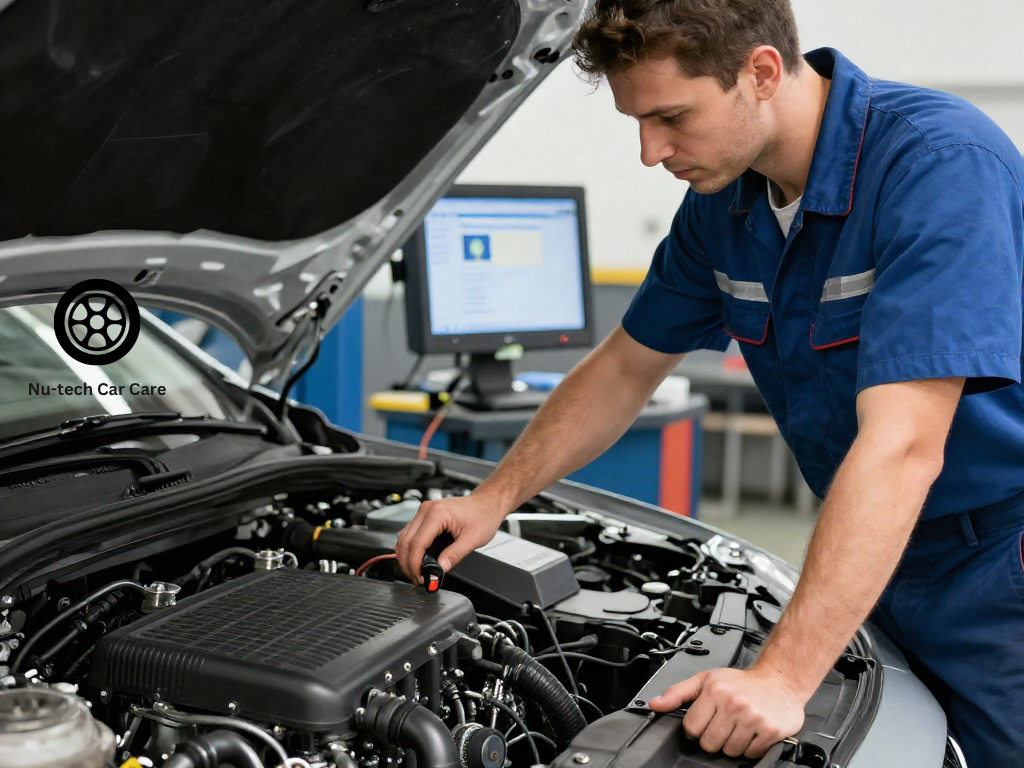
Combine electronic data with physical inspections
Vehicle scanning can support car care, but it does not replace ordinary inspections and scheduled servicing.
A scan cannot confirm tyre tread depth, brake-pad thickness, fluid condition or the presence of every leak. It may not detect a worn suspension joint, damaged drive belt or mechanical noise unless the problem affects a monitored electronic system.
A complete Car Service may include physical checks, fluid and filter replacement, manufacturer-scheduled work and diagnostic investigation where necessary.
The appropriate service interval should come from the vehicle manufacturer’s schedule and the way the car is used. Stop-start traffic, short trips, towing and harsh operating conditions can influence maintenance requirements.
For drivers comparing car care sydney workshops, it is useful to ask whether vehicle scanning is included in the scheduled service or charged as a separate diagnostic procedure.
Scanning should have a reason and a defined scope. A quick code check and a complete diagnostic investigation are not the same service.
Avoid clearing codes without addressing their cause
Clearing a warning light may make the dashboard look normal temporarily, but it does not repair the fault that caused the code.
Removing codes before recording them can also erase useful diagnostic clues. A technician may lose information about when the problem occurred and which operating conditions were present.
After a repair, clearing the relevant code may form part of the process. The vehicle should then be tested to confirm that the fault does not return and that the affected system operates correctly.
Post-repair testing is included in Australian automotive diagnostic competency requirements because a repair should be verified rather than assumed to be successful.
Drivers should ask whether the workshop will provide the original code, the diagnosis, the work performed and the result of the final test.
This creates a clearer maintenance record and helps with future Car Maintenance decisions.
Choose the Right Diagnostic and Car Service Provider
Before booking, ask what is included in the vehicle scanning or diagnostic fee.
A low-cost scan may cover connecting the tool, retrieving codes and supplying a basic report. A more detailed diagnosis may include live-data analysis, electrical tests, physical inspection and road testing.
Neither approach is automatically wrong, but the customer should understand which service is being purchased.
Ask whether the fee includes time to investigate the cause or only the initial scan. Also ask whether the workshop will contact you before moving from diagnosis to repair.
The NSW Government notes that repairers can charge for diagnostic time. Customers should agree to the conditions and limitations and request a written estimate covering parts and labour before repairs proceed.
A clear Car Service provider should be able to explain the findings in plain language and separate confirmed faults from areas requiring further testing.
Confirm estimates, authorisation and reporting arrangements
Describe the problem clearly when making the booking.
Provide the vehicle’s make, model, year and engine where known. Explain which warning light appeared, when the symptoms began and whether anyone has previously cleared the codes or completed repairs.
Ask for a written estimate and explain whether the workshop must contact you before undertaking additional work.
Under NSW guidance, a repairer should only perform work the customer has authorised. If additional problems are discovered, there should be clear instructions about whether the repairer may continue or must obtain approval first.
After the work, request an explanation of the diagnosis and repair. The invoice should identify the parts and labour supplied.
Good reporting is particularly useful when the problem is intermittent or when several repairs may be completed in stages.
Know When to Contact Nu-Tech Car Care

Book vehicle scanning when symptoms need investigation
Nu-Tech Car Care may be contacted when a driver needs help investigating a warning light, engine-performance concern or suspected electronic fault.
Its current website lists vehicle scanning alongside services such as batteries, brakes, cooling-system service, logbook servicing, suspension, tyres, rego checks and safety checks. The company currently lists service centres in Hoxton Park, Minto, Narellan, Liverpool and Camden. Current opening hours, appointment availability and vehicle compatibility should be confirmed before travelling.
Contact may be useful when a home scanner has produced a code but the cause is unclear. It may also be appropriate when several warning lights appear together, the vehicle runs poorly or an electrical issue keeps returning.
Nu-Tech Car Care can explain its scanning and workshop process. However, the final diagnosis should be based on the vehicle’s symptoms, test results and relevant service information rather than the fault code alone.
Prepare useful information before visiting the workshop
When booking, provide the make, model, year and registration details requested by the workshop.
Describe the symptoms in the order they occurred. Explain whether the car was difficult to start, lost power, used more fuel, stalled or displayed a warning message.
Mention recent repairs, battery replacement, jump-starting, aftermarket accessories or electrical work. These details may be relevant when diagnosing communication or power-supply problems.
Ask Nu-Tech Car Care to confirm what the diagnostic appointment includes, whether an initial estimate is available and whether approval will be requested before repairs begin.
Where possible, avoid clearing the fault codes immediately before the appointment. Keeping the stored information may help the technician understand the event.
A diagnostic scanner provides clues, not automatic answers. Combining scan data with careful testing, vehicle history and clear communication gives drivers a stronger basis for deciding what should be repaired and when.