
Modern vehicles rely on sensors, computers and electronic systems to manage everyday driving. These systems help control engine performance, fuel use, emissions, braking, safety features and other important vehicle functions. When something goes wrong, the problem is not always visible from the outside. This is where vehicle scanning can help.
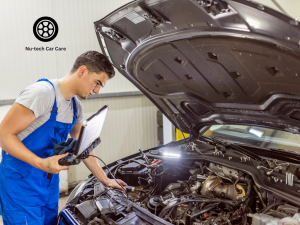
Vehicle scanning connects diagnostic equipment to your car’s onboard system. It reads fault codes, live data and system information that can help identify possible issues. However, a scan is not a complete repair answer on its own. It is the starting point of a proper diagnostic process and helps a technician understand where to inspect next.
For Sydney and Western Sydney drivers, vehicle scanning can be useful when a dashboard warning light appears, before a long trip, before buying a used car, or when a vehicle does not feel right during normal driving.
How vehicle scanning reads your car’s onboard systems
Vehicle scanning usually involves connecting a diagnostic tool to the car’s OBD port. OBD stands for onboard diagnostics. Most modern vehicles use this system to monitor engine performance, emissions-related systems, sensors and other electronic components.
When a system detects a fault, the car may store a diagnostic trouble code. In some cases, the check engine light or another dashboard warning light may appear. A scan tool can read these stored codes and show live data from the vehicle while it is running.
For example, a diagnostic scan may show information related to oxygen sensors, battery voltage, engine misfires, temperature readings or communication faults between modules. This information helps narrow down the possible cause of a problem and gives the technician a clearer starting point.
Why scanning is useful but not the whole diagnosis
A common mistake is thinking that a scan code gives the complete repair answer. In many cases, it does not work that way.
A fault code may point to a system, not the exact failed part. For example, a code related to an oxygen sensor could be caused by the sensor itself, damaged wiring, an exhaust leak, fuel mixture issues or another related fault. This is why proper testing is still important before replacing parts.
Vehicle scanning is most useful when it is combined with technician experience, physical checks and proper car maintenance. It helps reduce guesswork, but it should not replace a full inspection when the issue is complex.
Warning lights, rough running and unusual car behaviour
Many drivers book a vehicle scan after a warning light appears on the dashboard. This may include the check engine light, ABS light, battery warning, airbag light or other system alerts.
A diagnostic scan may also be useful if the car runs rough at idle, loses power, uses more fuel than usual, struggles to start, stalls unexpectedly, feels jerky when accelerating or shows unusual electrical behaviour. Warning lights that appear and disappear should also be checked, especially if the same issue keeps returning.
These signs do not always mean a major repair is needed. However, they should not be ignored. A scan can help identify whether the issue is minor, developing or urgent.
Pre-purchase checks, servicing and preventive car maintenance
Vehicle scanning can also be helpful before buying a used car. A vehicle may look clean, drive well during a short test drive and still have stored fault codes. A scan can help reveal hidden issues or past faults that may need further checking before purchase.
Scanning can also support regular car maintenance. During a car service, a diagnostic check may help identify sensor faults, electrical issues or system warnings before they become more serious.
For drivers who rely on their car daily, especially in busy Sydney traffic, this can be a practical way to reduce the risk of unexpected breakdowns and make better repair decisions.
What a Diagnostic Scan Can Usually Check
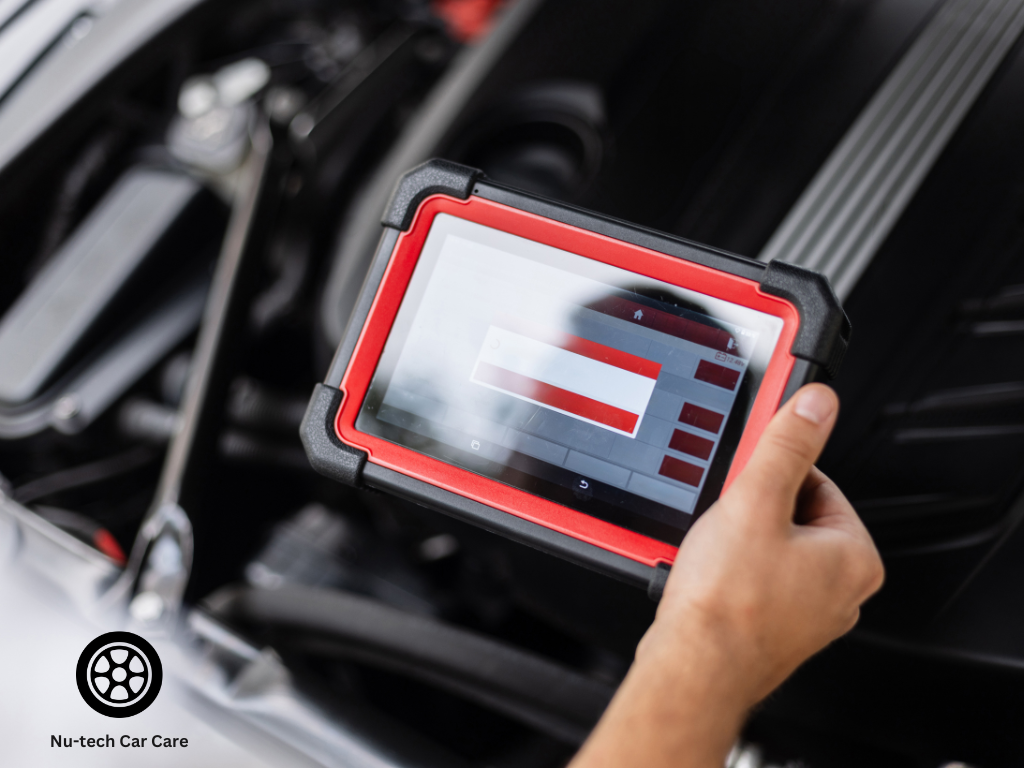
Engine, transmission, battery and sensor-related faults
The systems a diagnostic scan can check will depend on the vehicle and the equipment being used. Basic scan tools may only read engine-related codes. More advanced workshop equipment may access additional vehicle systems.
A professional vehicle scan may check the engine control system, transmission system, ABS and braking systems, airbag and safety systems, battery and charging system, emissions-related components, fuel and ignition systems, sensors and electronic modules.
This is one reason professional vehicle scanning can be more useful than a basic code reader. Workshop-level diagnostic tools often provide deeper access to systems that simple auto current scanners may not fully cover.
Live data, stored codes and pending codes
A diagnostic scan can show different types of vehicle information. Stored codes are faults the vehicle has already recorded. Pending codes may show developing issues that have not yet triggered a warning light. Live data shows real-time readings while the vehicle is running.
Live data can be especially useful because it helps a technician compare what the car is doing against expected values. For example, live readings may help identify whether a sensor is responding correctly or whether a fault only appears under certain driving conditions.
If a claim is made that one specific code always means one specific part must be replaced, that should be tested first. A scan result should guide the diagnosis, not replace proper inspection.
DIY Auto Current Scanners vs Professional Diagnostic Equipment
When a basic scanner may be enough
Some drivers buy auto current scanners for basic checks at home. A simple auto current scanner may be useful if you want to read a check engine code, understand a dashboard warning or confirm whether a fault has returned after a repair.
This can be helpful for car owners who enjoy basic car tech and want a better understanding of their vehicle. A DIY scanner may be suitable for basic engine code reading, quick warning light checks or simple first-look inspections before booking a service.
However, basic scanners have limits. They may not read every system, may not provide full live data and may not explain the real cause of the fault. They can show a code, but they cannot always confirm why the code appeared.
When a workshop-level scan is the better option
A professional diagnostic check is usually the better choice when the issue affects drivability, safety or reliability.
If the warning light keeps returning, the car is losing power, the engine is misfiring, the vehicle has braking or airbag warnings, or the car has electrical faults, it is better to book a workshop-level scan. A professional scan is also recommended when buying a used vehicle or when you need a clearer repair plan.
A trained technician can combine scan results with physical inspection, testing and service history. This gives you a more reliable picture of what is happening and helps avoid replacing parts based on guesswork.
How to Choose the Right Vehicle Scanning Service or Product
What to look for in tools, reports and technician support
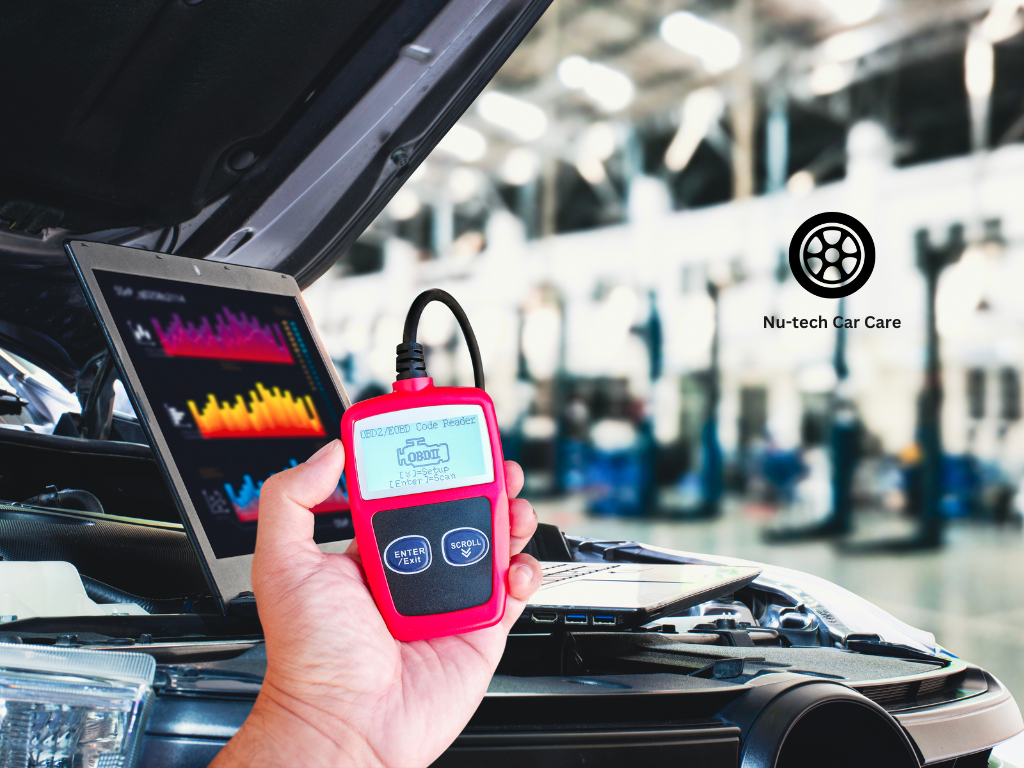
Choosing the right product or service depends on your goal. If you are buying a scanner for personal use, it is important to consider vehicle compatibility, supported systems, ease of use, live data access, update availability and whether the tool explains codes clearly.
If you are booking a car care provider, look for a workshop that explains scan results clearly, provides practical repair guidance and has experience with your type of vehicle. Transparent pricing, proper inspection after scanning and no pressure to replace parts without testing are also important.
The best choice is not always the cheapest scan. A low-cost scan may only give you codes. A useful diagnostic service should help you understand what the codes mean, what needs checking next and whether the issue is urgent.
Questions to ask before booking a car service
Before booking a diagnostic check, it helps to ask what systems the scan will check and whether you will receive an explanation of the fault codes. You can also ask whether the technician can inspect the likely cause after scanning and whether the codes will only be cleared after the issue has been checked.
It is also useful to ask whether the car is safe to drive and whether the diagnostic scan is part of a wider car service or a separate check. These questions can help you avoid confusion and make the service more useful.
For Western Sydney drivers comparing car care Sydney options, it is worth choosing a workshop that explains the results in plain English. This is especially important if you are deciding whether to repair, service or replace a vehicle.
When to Contact a Car Care Specialist
Signs you should not ignore after a scan
A scan result should be treated seriously when it relates to safety, engine performance or electrical faults. If a warning light returns after being cleared, the issue should be checked properly rather than ignored.
You should also contact a car care specialist if the car shakes, stalls, misfires, enters limp mode, smells of fuel or burning, has changing brake feel, shows a battery warning light or struggles to start repeatedly. These signs may indicate a problem that needs further inspection.
Clearing a code without fixing the cause can hide the issue temporarily. It may also make the problem harder to track if the fault is intermittent.
How NU Tech Car Care can help with practical next steps
If you need help understanding scan results, NU Tech Car Care can provide diagnostic support and practical next steps for local drivers. A useful car care service should not stop at reading the code. It should help explain what the scan found, what needs further testing, what repairs may be required and whether the issue should be handled urgently.
This is especially helpful if you are unsure whether your vehicle needs a car service, electrical diagnosis or a more detailed inspection. With the right support, vehicle scanning can help you make a clearer and more confident decision about your car.
Making Vehicle Scanning Part of Smarter Car Care
How scanning fits into regular maintenance
Vehicle scanning works best when it is part of a wider car maintenance routine. It can support regular servicing, used car checks, long-distance trip preparation, warning light diagnosis, battery and sensor checks, follow-up checks after repairs and better records of recurring issues.
For example, if a car has an intermittent fault, keeping a record of scan results can help a technician identify patterns. This may be useful when the issue only appears during hot weather, heavy traffic or long drives.
In Australian driving conditions, where many people rely on their car for work, family travel and daily commuting, early checks can reduce uncertainty. A scan may not prevent every repair, but it can help detect warning signs earlier and support better maintenance decisions.
Internal linking opportunities and next actions for readers
This article can naturally link to related service pages such as car service, car maintenance, car care, diagnostic scanning, pre-purchase vehicle inspection, battery and electrical repairs, and check engine light service.
The next step is simple. If your car has a warning light, unusual behaviour or you are planning to buy a used vehicle, book a diagnostic scan before guessing the repair. A proper scan, followed by practical inspection, can help you make a clearer decision and keep your vehicle in better condition.